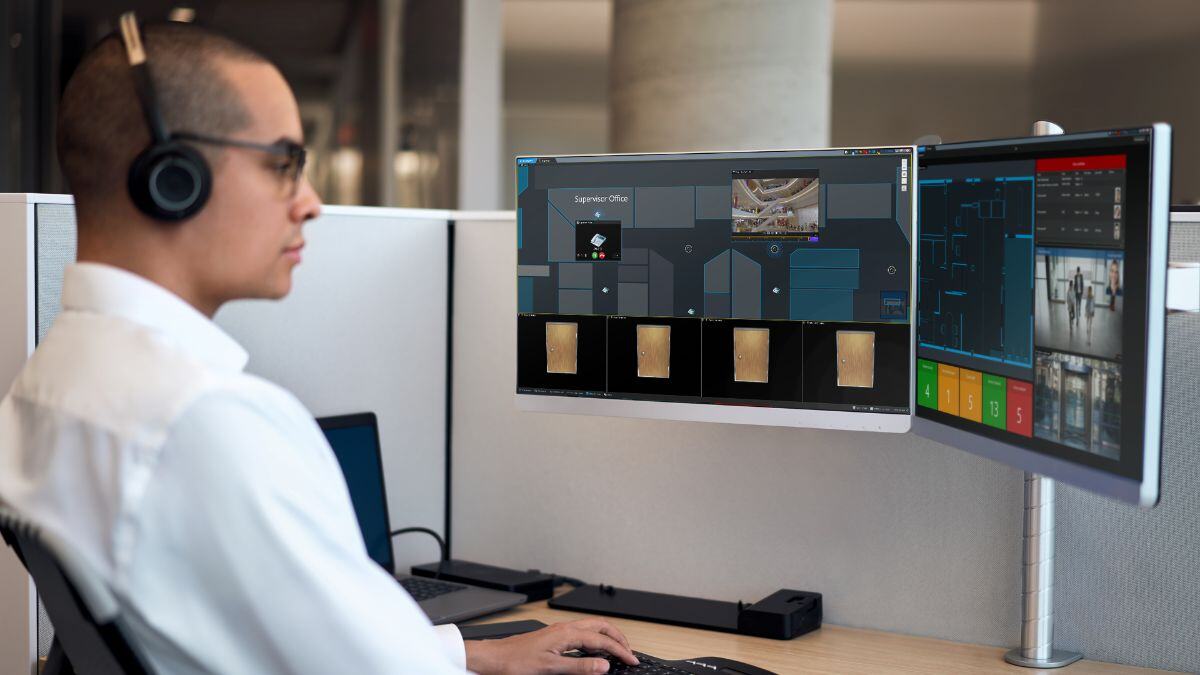
As 2026 begins, physical security leaders are entering the year with a different set of expectations than they had even a few years ago. Physical security is no longer viewed solely as a protective function. It is increasingly recognized as a strategic system that supports resilience, operational efficiency, and informed decision-making across the organization .
This shift brings opportunity, but it also raises the bar. In 2026, successful security programs will be defined less by individual technologies and more by how well systems, teams, and data work together. Based on industry data and what organizations are prioritizing right now, several themes are already shaping how security leaders should be thinking this year.
Integration Is the Starting Point, Not the Finish Line
One of the clearest signals heading into 2026 is that integration has become the primary driver of modernization. Organizations are no longer replacing systems simply because they are aging. They are doing so because fragmented environments limit visibility, slow response times, and make future upgrades more complex and costly.
Industry data shows that the top motivation for replacing legacy security systems is the ability to integrate with new technologies and platforms . In practical terms, this means security leaders are prioritizing environments where video, access control, analytics, and operational data can work together rather than exist in silos.
In 2026, security planning should begin with a simple question: how well do our systems communicate today, and what barriers will prevent us from adapting tomorrow?
IT Has a Permanent Seat at the Table
Physical security and IT alignment is no longer optional. It is foundational. As security systems generate more data and connect more deeply into enterprise networks, IT teams are playing a larger role in purchasing decisions, architecture design, and risk management.
Industry findings show that IT departments are now among the most influential stakeholders in physical security decisions, alongside executive leadership and finance . This reflects a broader reality. Physical security systems now carry cybersecurity implications, network dependencies, and data governance requirements that cannot be addressed in isolation.
In 2026, security leaders who proactively align with IT will move faster and encounter fewer roadblocks. Those who treat security as a standalone function will face increased scrutiny, delays, and risk exposure.
Hybrid Deployment Is the New Normal
The debate between cloud and on-premises deployments has largely settled into something more practical. Hybrid models are now the dominant approach, offering flexibility, resilience, and control without forcing organizations into all-or-nothing decisions.
Industry data shows that most organizations are operating in hybrid environments and expect that model to continue over the next several years . This reflects a maturing view of cloud adoption. Organizations want the scalability and accessibility of cloud services while maintaining local control over critical systems and sensitive data.
For 2026, the focus should be on deploying the right workloads in the right places, rather than pursuing cloud adoption for its own sake.
AI Expectations Are Rising Faster Than Confidence
Artificial intelligence is firmly on the 2026 agenda. Interest in AI-driven analytics, automation, and investigation tools continues to grow, and AI now ranks alongside access control and video surveillance as a top priority area for many organizations .
At the same time, confidence remains mixed. Many organizations express concerns around data use, auditability, explainability, and real-world effectiveness. This gap between interest and trust is shaping how AI will be adopted in 2026.
The organizations that see value from AI this year will be those that focus on specific, measurable outcomes such as reducing alarm noise, improving investigation workflows, or prioritizing critical events. Broad experimentation without clear objectives is unlikely to deliver results.
Partners Matter More Than Platforms
As physical security systems grow more complex, the role of the integration partner has become more critical. End users are placing increased value on long-term stability, open architecture, and partners who can support systems throughout their lifecycle rather than simply install technology.
Industry data shows that organizations are actively looking for partners who reduce total cost of ownership, support future migration, and align with long-term business goals . In 2026, choosing the right partner is as important as choosing the right platform.
Security leaders should be asking not only what technology they are deploying, but who will help them adapt, maintain, and evolve that technology over time.
Looking Ahead
2026 is shaping up to be a year of refinement rather than disruption. The organizations that will move forward with confidence are those that focus on integration, cross-functional alignment, pragmatic deployment models, and responsible use of emerging technologies.
Physical security has become a strategic system. The work this year is about making that system reliable, scalable, and aligned with the broader organization. The right decisions now will determine how well security programs support people, operations, and growth in the years ahead.