1 min read
More Than a Buzzer: How Intercoms Are Changing Building Security
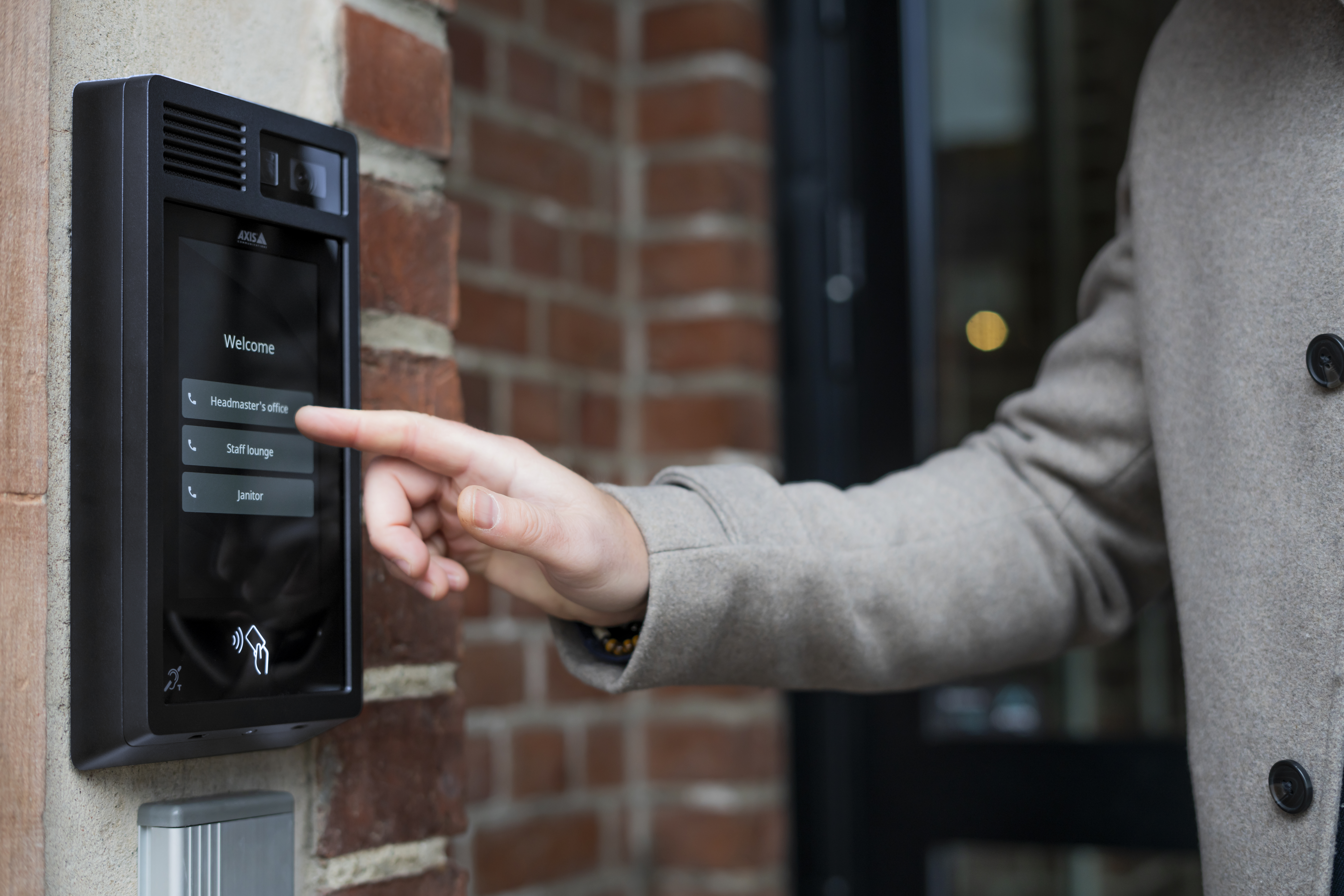
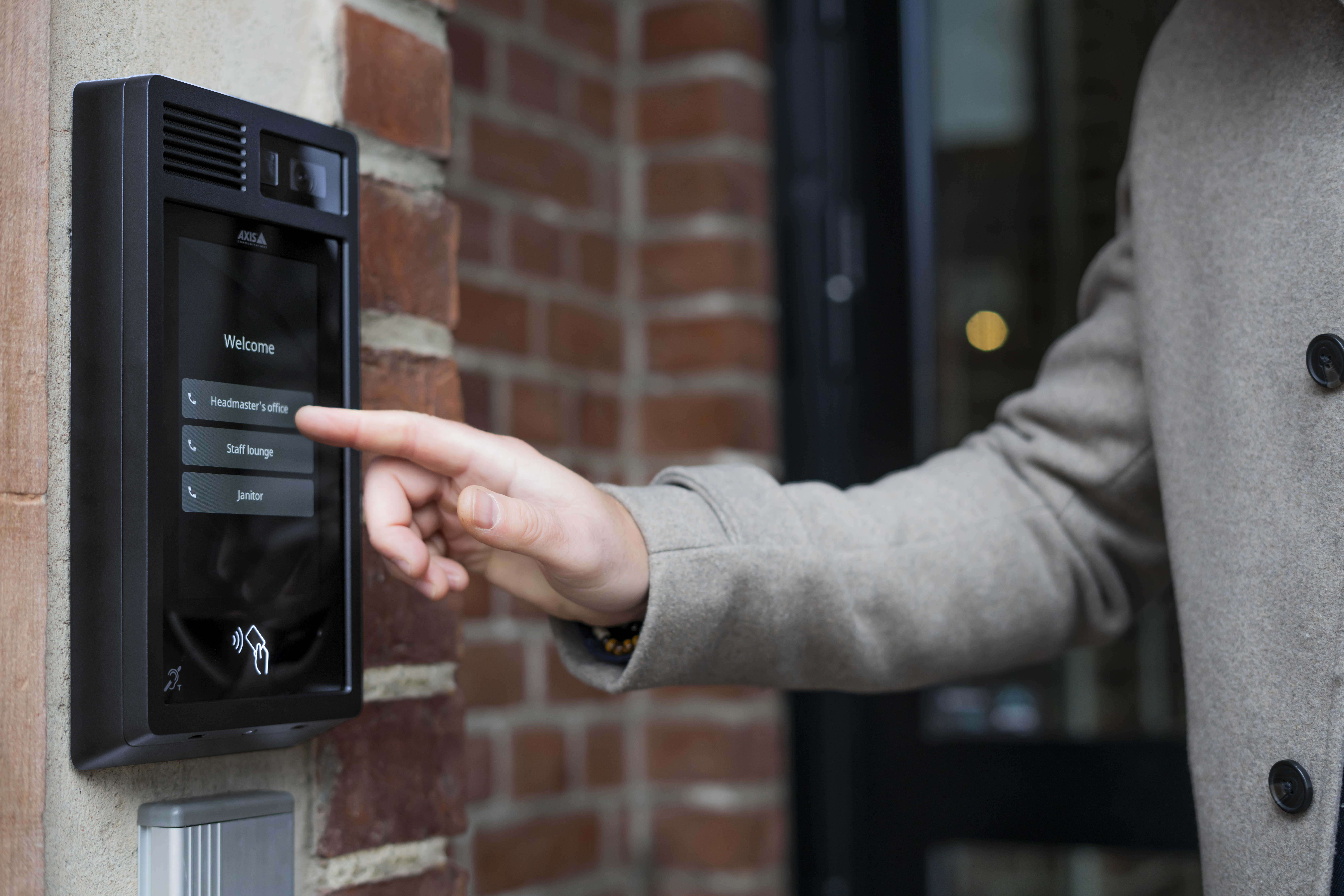
Intercom systems used to be simple. A call button, a crackling voice, and a door that may or may not unlock. But today’s intercom technology has...
Network Infrastructure
2 min read
Madison Olson : Updated on July 22, 2026
Why the most overlooked part of your entry strategy may be the smartest place to start
Ask any organization where their physical security challenges begin, and the answer is usually the same: the front door.
Managing who comes in and out of a building is fundamental to protecting people, assets, and operations. Yet for many organizations, the entry process is still handled by outdated intercoms or basic buzzers—offering minimal visibility and almost no control.
The good news? You don’t have to rip out your whole system to make meaningful improvements. If you’re looking for a smarter, more secure entry experience, upgrading your intercom system is one of the most practical first steps you can take.
It doesn’t matter how strong your interior security is if the front door is a weak link. Every day, employees, vendors, contractors, delivery drivers, and guests attempt to enter your building—and if your team can’t see who’s at the door or verify why they’re there, it creates risk.
Legacy systems like audio-only buzzers may still function, but they weren’t designed to meet today’s expectations. Without video, remote access, or centralized management, there’s no way to ensure consistency, accountability, or real-time response.
That’s why modern intercom systems are becoming a go-to solution for organizations looking to upgrade security without overhauling everything.
Unlike full access control deployments, intercom upgrades are fast to implement, easy to scale, and can often be installed without major infrastructure changes. But the impact they deliver is significant.
With video intercoms, your team can:
You get more visibility, faster response times, and better records—without the complexity of a full system replacement.
Yes, modern intercoms improve safety—but they also improve experience.
For staff, they simplify daily operations and reduce interruptions. For visitors, they make entry smoother and more intuitive. And for leadership, they offer peace of mind that the front door is being managed consistently, even when no one is standing there.
It’s a smart way to reduce pressure on your team while building a stronger foundation for future upgrades.
You don’t have to change everything at once. That’s what makes intercoms such a valuable starting point.
Whether you manage a single clinic or a regional portfolio of schools, warehouses, or office buildings, upgrading your intercom gives you an immediate improvement that fits into a long-term plan. And if you're working toward full platform integration, modern intercoms are built to grow with you.
If you’re ready to stop guessing who’s at the door and start managing access with confidence, a modern intercom system is the place to begin.
1 min read
Intercom systems used to be simple. A call button, a crackling voice, and a door that may or may not unlock. But today’s intercom technology has...
1 min read
If your idea of an intercom is a wall-mounted box with a buzzer and a crackly voice on the other end, you’re not alone. For decades, that was the...
1 min read
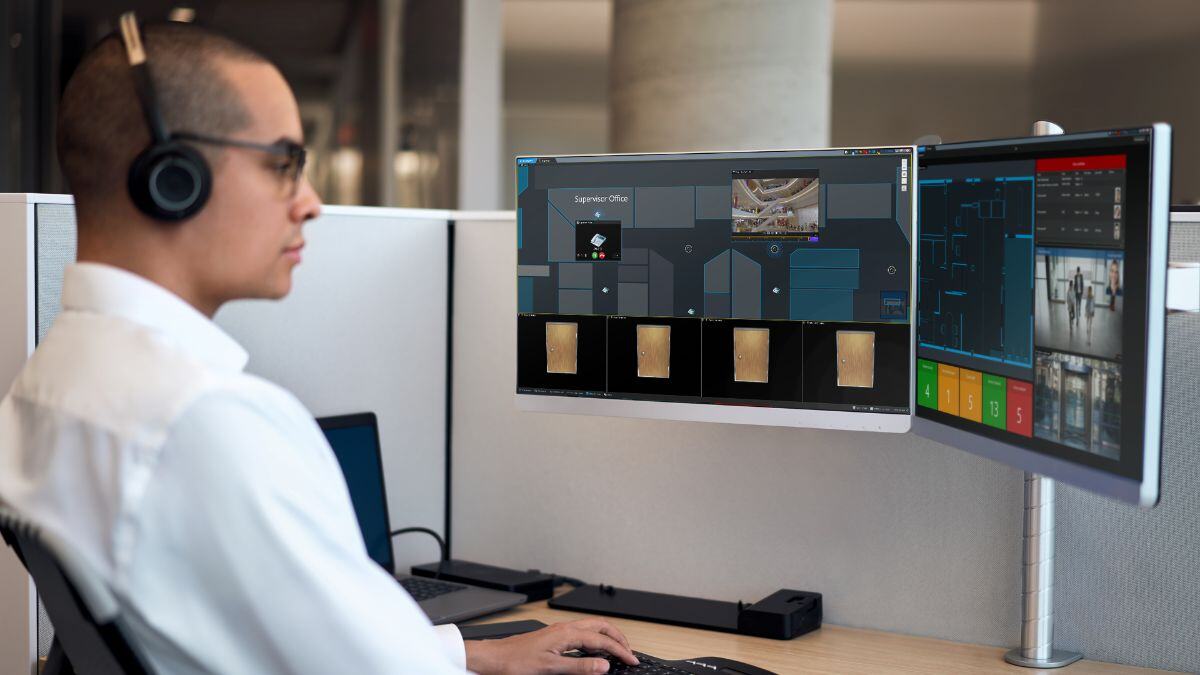
Sipelia is Genetec’s communication management system that centralizes SIP-based communications throughout your organization. This robust feature of...